Table of Contents

- Upgraded High-Efficiency 4 Solar Panels: Equipped with 4 premium solar panels, this solar panel charger charges up to 5 times faster than standard single-panel chargers. It enables direct solar chargi…
- Massive 48000mAh Solar Power Bank: Featuring a high-capacity 48000mAh lithium-polymer battery, this solar charger offers enhanced safety and extended battery life—delivering up to 80% more charging cy…
- Built-in 4 Cable for Multi-Device Compatibility: Designed for multi-device charging, this portable solar battery bank includes 3 ports (2 USB-A outputs, 1 USB-C input/output), 4 built-in charging cabl…
Best Kinetic Charger for Walking and Hiking: Do They Actually Work?
(Affiliate Disclosure: Some of the links in this article are affiliate links. If you purchase through these links, Gadget Earth may earn a small commission at no extra cost to you. We only recommend sustainable gear, off-grid tech, and resources we rigorously evaluate. As an Amazon Associate, we earn from qualifying purchases.)
The ultimate off-grid dream is creating power simply by moving. If you are hiking 10 to 15 miles a day with a heavy backpack, it makes perfect sense to want to capture the kinetic energy of your footsteps to charge your smartphone or GPS.
Over the years, several tech startups have attempted to build “motion chargers”—devices you strap to your leg or put in your shoe to generate electricity while you walk.
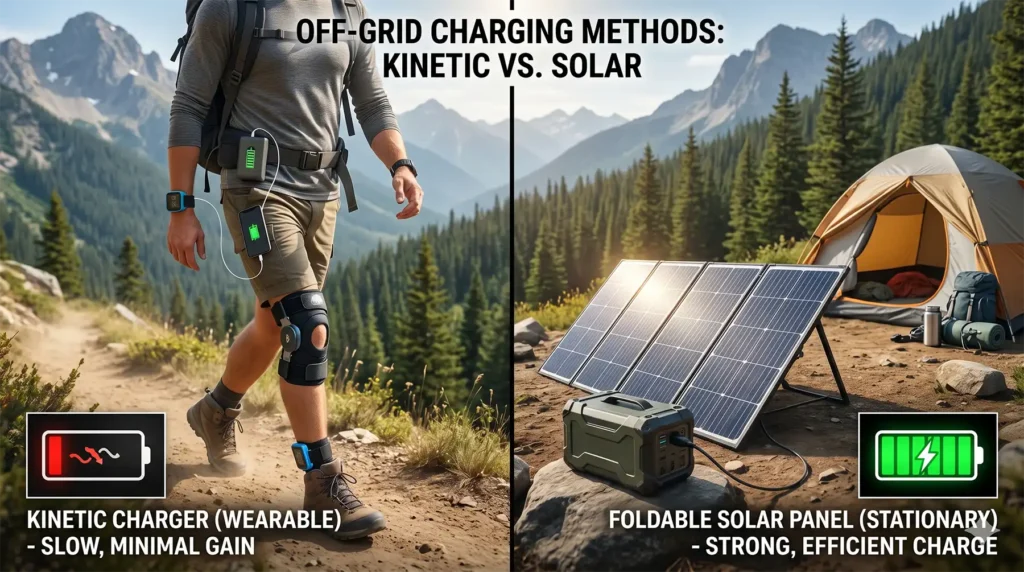
What is the best kinetic charger for walking and hiking? The honest truth is that wearable motion chargers (like kinetic insoles or bouncing power banks) do not generate enough wattage to charge modern smartphones effectively. For reliable kinetic energy on the trail, backpackers should use a WaterLily Turbine (which generates power from moving river water or wind) or carry a dedicated emergency hand-crank generator.
If you are trying to build a truly sustainable, zero-waste backpacking kit, you need to understand the physics of kinetic energy and why solar still dominates the trail. Here is the reality of motion charging in 2026.
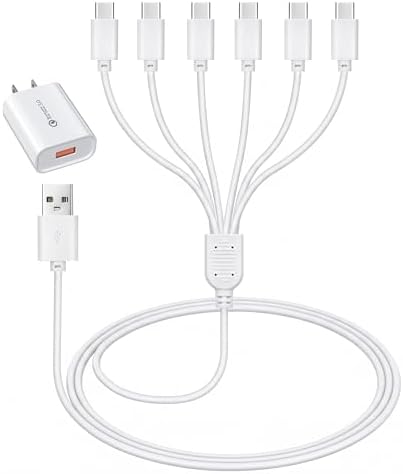
- Charger for MCGOR, for Gritin, for EZVALO, for ZioeYiue and for DiDiSky under cabinet lights
- 6 in 1 power cable, charge 6 motion sensor lights at the same time
- Cable length: 3.3 ft (1 m)
The Dream vs. The Reality of Motion Charging
Kinetic walking chargers typically rely on one of two technologies:
- Piezoelectric Materials: Insoles that generate a tiny electrical charge when bent or squished under your heel.
- Linear Induction Generators: A magnet that bounces back and forth through a copper coil inside a tube, generating a current as you walk (similar to a “shake” flashlight).
The Problem: The energy required to charge a modern smartphone battery (like an iPhone 15) is massive compared to the tiny electrical trickle created by these methods.
In real-world testing, older linear induction chargers required you to walk up to 10,000 steps (roughly 5 miles) just to generate 1% or 2% of smartphone battery life. Furthermore, the physical weight of the copper coils inside these devices often weighed more than simply carrying a high-capacity 10,000mAh portable power bank. Because the weight-to-power ratio is so poor, most wearable kinetic chargers have been quietly discontinued by manufacturers.
The Best “Kinetic” Power Alternatives for Backpackers
If you want to generate off-grid power without relying on the sun, you have to look past the gimmick of “walking chargers” and harness more powerful kinetic forces in nature.
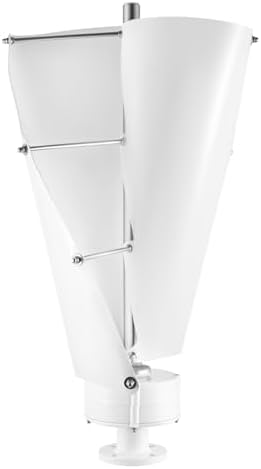
- 【Low-noise Operation】 Adopting a precision double-bearing design and a quiet and reliable rotor, it effectively reduces the operating noise, which is less than 62dB, not affecting the tranquility of t…
- 【Sturdy and Durable】 It adopts a permanent magnet generator with an iron core paired with two aluminum alloy blades, and the surface is sprayed with plastic, which can withstand bad weather and ensure…
- 【Efficient Work】 It has a power of up to 100W and a wind speed of up to 42.65ft/s, and the starting wind speed is lower than that of other wind turbines, and the power generation increases gently, so …
1. The Best Natural Kinetic Charger: The WaterLily Turbine
If you are hiking in deep canyons, heavy forests, or during the winter when solar panels are useless, the WaterLily Turbine is the ultimate kinetic power source.
- How it works: It is a portable, 3-pound turbine that you drop into a flowing river or hang in a high-wind area.
- The Power: Because water is incredibly dense, the kinetic force of a moving river spinning the turbine generates a constant 15 Watts of power. This is enough to charge a standard smartphone from 0 to 100% in a few hours, day or night, rain or shine.
- The Verdict: While it doesn’t charge while you are walking, it is the most efficient kinetic charger to use once you set up camp near a water source.

- 𝗡𝗢𝗔𝗔 𝗪𝗲𝗮𝘁𝗵𝗲𝗿 𝗕𝗮𝗻𝗱 𝗥𝗮𝗱𝗶𝗼 & 𝗠𝘂𝗹𝘁𝗶-𝗕𝗮𝗻𝗱 𝗥𝗲𝗰𝗲𝗽𝘁𝗶𝗼𝗻 – This emergency radio receives 7 NOAA weather broadcasts (must be powered ON and tuned to NOAA station) plus AM/FM. Great for tracking hurricanes, torna…
- 𝟭𝟮𝟬𝟬𝟬𝗺𝗔𝗵 𝗣𝗼𝘄𝗲𝗿 𝗕𝗮𝗻𝗸 & 𝗠𝘂𝗹𝘁𝗶𝗽𝗹𝗲 𝗖𝗵𝗮𝗿𝗴𝗶𝗻𝗴 𝗢𝗽𝘁𝗶𝗼𝗻𝘀 – The built-in rechargeable battery helps charge phones and small USB devices during emergencies, so you can call, text, or access critical information …
- 𝟴𝟱𝟬𝟬𝗺𝗺𝟮 𝗟𝗮𝗿𝗴𝗲 𝗦𝗼𝗹𝗮𝗿 𝗣𝗮𝗻𝗲𝗹 + 𝗛𝗮𝗻𝗱 𝗖𝗿𝗮𝗻𝗸 𝗕𝗮𝗰𝗸𝘂𝗽 – The oversized solar panel helps collect sunlight for emergency recharging, while the hand crank and Type-C charging input give you multiple ways to rest…
2. The Best Manual Kinetic Charger: Midland ER310 Hand Crank
If you want to generate power using your own physical calories, your arms are far more efficient than your walking stride.
- How it works: As reviewed in our emergency tech guide, you manually turn a dynamo crank to generate power.
- The Power: One minute of vigorous cranking yields about 1 to 2 watts of power—enough for a quick emergency phone call or a few text messages.
- The Verdict: It is grueling work, but it is infinitely more reliable than a passive motion charger bouncing in your pocket.
The Gadget Earth Verdict: Stick to Solar + Ultralight Banks
At Gadget Earth, we love experimental green tech, but we also believe in packing gear that actually works when you are miles away from civilization.
Currently, the technology to charge a phone simply by walking is not viable for serious hikers. If you are trying to keep your base weight down while ensuring you have infinite power, skip the wearable motion chargers. Instead, invest in an ultralight 10,000mAh power bank (like the Nitecore NB10000) paired with a high-efficiency 21W foldable solar panel. It remains the absolute best, most reliable off-grid power setup for the modern digital nomad.