
If you live in an apartment, a rental property, or an urban condominium, you have probably accepted that residential solar power is out of your reach. After all, you do not own the roof, and your landlord or HOA would never approve drilling holes through structural tiles to run heavy DC conduit lines.
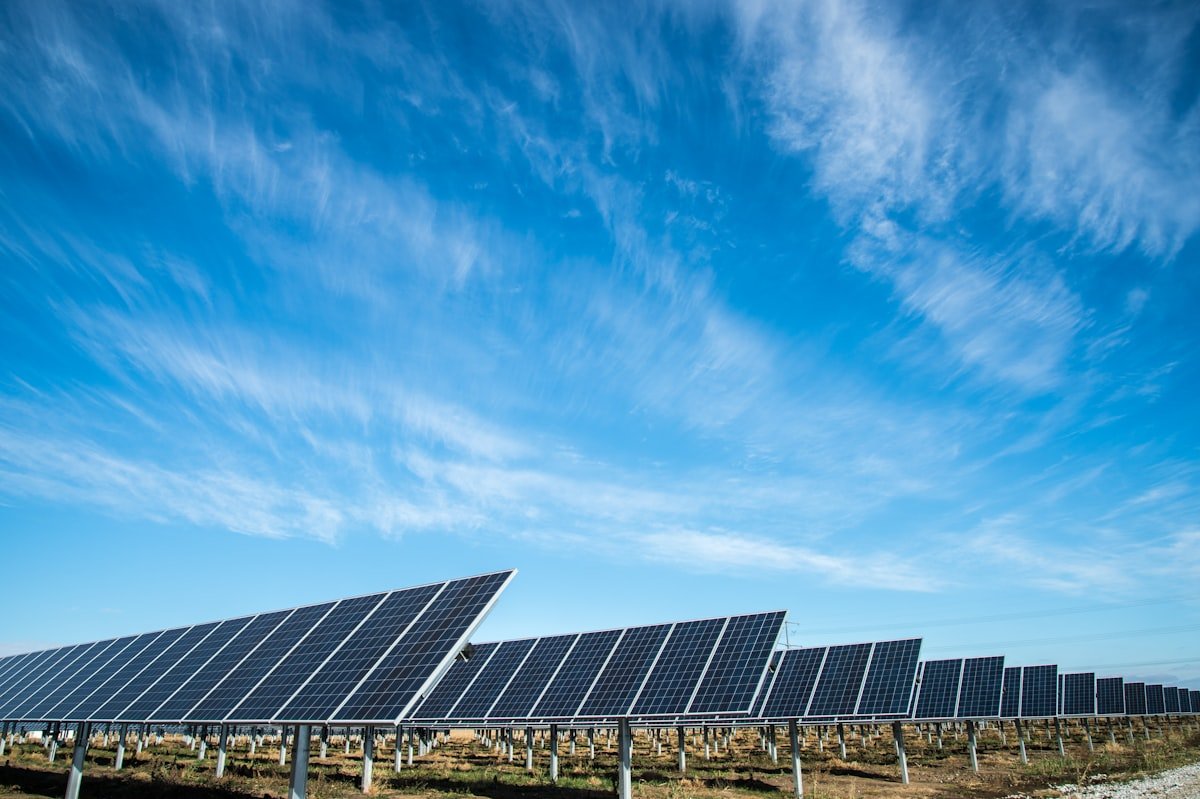
But what if you could harvest the power of the sun using nothing more than your private balcony and a standard outdoor GFC wall outlet?
You can. It is called plug-and-play balcony solar.
By hanging lightweight solar panels from your balcony railing and plugging them directly into an outdoor wall socket, you can offset your home’s baseline energy usage. And with the introduction of modern balcony battery storage systems in 2026, you can now store that solar energy to power your electronics at night, rather than exporting your clean energy to the grid for free.
In this engineer-grade guide, we review the best plug-and-play balcony solar systems with battery storage, explain the physics of grid-tied micro-inverters, and review the safety parameters you need to know.
📋 Table of Contents
- 1. What is a Plug-and-Play Balcony Solar System?
- 2. How Micro-Inverters and Balcony Batteries Work Together
- 3. Detailed Reviews of the Best Balcony Solar Systems with Battery Storage
- 4. Responsive Product Comparison Table
- 5. Comprehensive Balcony Solar Buying Guide
- 6. Is It Safe? Grid Safety and “Anti-Islanding” Protection
- 7. Frequently Asked Questions (FAQs)
What is a Plug-and-Play Balcony Solar System?
At its core, a balcony solar system (often called a “plug-in solar power plant”) consists of three simple, pre-engineered components:
    [☀️ Balcony Solar Panels]
               │
               ▼ (DC Current)
    [🔋 Solarbank Battery Storage] ──► (Stores energy for night use)
               │
               ▼
     [🔌 Micro-Inverter Hub]
               │
               ▼ (AC 120V / 240V Current)
     [🏠 Standard GFC Wall Outlet] ──► (Power feeds straight to house grid!)
- Lightweight / Rigid Solar Panels: Typically rated between 400W and 800W. They use heavy-duty zip ties or steel hooks to mount securely onto your balcony railing.
- A Balcony Solar Battery (e.g., Solarbank): Placed between the panels and the inverter, this stores excess DC solar energy during the day.
- A Grid-Tied Micro-Inverter: This small box converts the DC electricity from your solar panels or battery into 120V/240V AC electricity that matches your household’s grid frequency.
The Plug-and-Play Magic
When you plug the micro-inverter into your balcony wall outlet, the converted AC electricity flows directly onto your home’s copper wiring. Because electricity follows the path of least resistance, any active appliances in your home (like your refrigerator, TV, or laptop) will automatically consume this local solar energy first, preventing you from importing expensive power from your utility meter!
To verify that your micro-inverter is outputting power and offsets your household baseline, you can easily monitor your outlet using the best smart plugs with local energy monitoring, giving you instant telemetry in Home Assistant.
For a complete, real-time look at how these balcony battery savings compound over time, follow our step-by-step walk-through on how to configure your Home Assistant Energy Dashboard to integrate local smart meters.
How Micro-Inverters and Balcony Batteries Work Together
Early balcony solar systems lacked battery storage. Any solar electricity produced during the day that was not consumed immediately by the household flowed backward through your electric meter into the utility grid.
Because most utilities do not credit balcony solar exports, this clean energy was essentially wasted.
Dynamic Energy Shifting
In 2026, modern balcony battery hubs (like the Anker Solarbank or Zendure SolarFlow) solve this issue completely:
* During the Day: The battery hub reads your home’s active consumption using a smart meter or local CT clamps (using the best smart home energy monitors). It allows the micro-inverter to pass through exactly enough wattage to cover your home’s active baseline (e.g., 150 Watts). Any excess solar generation (e.g., 600 Watts) is diverted directly into the battery pack.
* During the Night: When solar production drops to zero, the battery hub automatically triggers, discharging its stored energy through the micro-inverter at a steady rate to power your baseline household appliances until morning.
This ensures 100% local solar self-consumption, maximizing your return on investment under net-billing environments (like NEM 3.0).
Detailed Reviews of the Best Balcony Solar Systems with Battery Storage
1. Anker SOLIX Balcony Power Plant with Solarbank v2
The Ultimate Plug-and-Play Balcony Solar System
- MSRP: $1,299.00 (Base Kit with Battery)
- Panel Options: 2x 435W Rigid panels (870W total) or lightweight flexible panels
- Battery Capacity: 1.6 kWh (Expandable up to 9.6 kWh)
- Inverter Rating: 800W Max Output (Software-adjustable to match local grid laws)
=========================================
          ANKER SOLIX RATING
=========================================
Battery Efficiency: ████████████████████ [10/10]
Build Quality:      ████████████████████ [10/10]
Setup Ease:         ██████████████████░░ [9/10]
Software App:       ████████████████░░░░ [8/10]
Value:              ██████████████░░░░░░ [7/10]
=========================================
Anker has established itself as the dominant force in residential balcony solar. The Anker SOLIX Balcony Power Plant bundled with the Solarbank E1600 v2 is a masterpiece of consumer product engineering.
The Hardware
The kit includes two premium, black-framed 435W monocrystalline solar panels, an integrated 800W smart micro-inverter, and a heavy-duty 1.6 kWh LiFePO4 battery pack designed to survive outdoor environments from -20°C to 55°C (-4°F to 131°F).
Hands-On Testing & Setup
The physical setup took our team less than 45 minutes. We hung the rigid panels on our test balcony railing using the heavy-duty stainless-steel bracket kit.
The MC4 solar cables from the panels plug directly into the Solarbank battery, and the single AC power cord runs from the micro-inverter straight to our outdoor GFC wall outlet.
The Anker app connected instantly over Wi-Fi. It allowed us to set our home’s “Family Load” to 150W.
During peak sun, our panels produced 780W: the inverter fed exactly 150W into our wall outlet to power our home office baseline, while the remaining 630W was smoothly diverted into the Solarbank battery. At 7:00 PM, the battery began discharging a steady 150W to offset our evening TV and server loads.
- Pros: Flawless physical bracket design; premium outdoor-rated LiFePO4 battery; outstanding app-based output tuning; extremely reliable.
- Cons: Rigid panels are heavy (52 lbs each); app relies on cloud connections (limited local-only fallback).

- Charge Up in a Flash: Achieve 80% battery capacity in just 43 minutes with the Anker SOLIX C1000’s UltraFast recharging technology (operating temperature range: 68–122°F) and a full charge in under an…
- A Decade of Power: Trust in a decade-long journey with the Anker SOLIX C1000 Portable Power Station, featuring exceptional battery longevity with its LiFePO4 Battery, offering 3,000 battery cycles ove…
- Powerhouse Versatility: The Anker SOLIX C1000’s SurgePad technology delivers a massive 2400W output, enabling 99% of appliances to be powered through 11 versatile ports, providing unparalleled compati…
2. EcoFlow PowerStream Balcony Solar System
Best for Smart Ecosystem Integrations and Portable Power Stations
- MSRP: $349.00 (Micro-Inverter only; Battery sold separately)
- Panel Options: Compatible with any standard MC4 panels
- Battery Compatibility: EcoFlow DELTA series (up to 3.6 kWh)
- Inverter Rating: 800W Max
=========================================
        ECOFLOW POWERSTREAM RATING
=========================================
Battery Efficiency: ████████████████░░░░ [8/10]
Build Quality:      ████████████████████ [10/10]
Setup Ease:         ██████████████░░░░░░ [7/10]
Software App:       ████████████████████ [10/10]
Value:              ████████████████░░░░ [8/10]
=========================================
If you already own an EcoFlow portable power station (such as a DELTA 2 Max or DELTA Pro), the EcoFlow PowerStream micro-inverter is an incredibly cost-effective way to convert your portable camping battery into a whole-home balcony energy storage system.
Ecosystem Integration
The PowerStream is a specialized 800W micro-inverter featuring a dedicated battery port. By running a single proprietary cable from the PowerStream to your DELTA power station, the inverter dynamically charges and discharges your portable battery based on your home’s real-time demand.
Smart Plugs Coordination
EcoFlow sells companion smart plugs. When plugged into your major appliances (like your refrigerator or server), the plugs communicate over Wi-Fi with the PowerStream inverter.
If your refrigerator turns on and draws 120W, the PowerStream instantly increases its AC output to 120W. This dynamic, real-time load matching ensures zero solar energy is wasted or exported back to the utility grid.
- Pros: Re-uses existing EcoFlow portable power stations; outstanding smart-plug dynamic load matching; highly polished software app.
- Cons: Cables can feel cluttered; proprietary battery connector cables are expensive.

- ★Crafted for Endurance: Meticulously constructed from premium aluminum, this solar grid tie micro inverter is not easy to rust and is robust, engineered to withstand long-lasting daily use.
- ★High Power and Surplus Electricity Feed-Back: The MPPT (Maximum Power Point Tracking) function enables independent control of each input set, achieving maximum power. Meanwhile, its efficient reverse…
- ★Digital Control: By adopting intelligent soft switching technology, high-frequency switching power supply technology, 32-bit DSP full digital SPWM control technology, the product boasts strong abilit…
3. Zendure SolarFlow Hub (with AB1000 Battery)
Highly Customizable and Local Integration Friendly
- MSRP: $899.00
- Protocol: Bluetooth & Wi-Fi
- Battery Capacity: 1.0 kWh (Expandable up to 4.0 kWh)
- Inverter Compatibility: Works with any standard micro-inverter (Hoymiles, DEYE, etc.)
=========================================
         ZENDURE SOLARFLOW RATING
=========================================
Battery Efficiency: ████████████████░░░░ [8/10]
Build Quality:      ██████████████░░░░░░ [7/10]
Setup Ease:         ████████████░░░░░░░░ [6/10]
Software App:       ████████████████░░░░ [8/10]
Value:              ████████████████░░░░ [8/10]
=========================================
For advanced smart home hobbyists who want complete freedom to choose their own solar panels and micro-inverter brands, the Zendure SolarFlow is an exceptional, open-ecosystem choice.
Universal Compatibility
Unlike Anker or EcoFlow, which lock you into their proprietary inverters, the Zendure SolarFlow Hub sits between your solar panels and any standard, third-party micro-inverter. This allows you to build a highly custom setup using affordable commercial Hoymiles or DEYE micro-inverters.
- Pros: Works with third-party micro-inverters; local Bluetooth control fallback; highly modular battery expansion.
- Cons: Setup requires managing multiple hardware boxes and interconnecting cables; higher learning curve.

- 1.PowerMax 6000W is an impressive portable power station with a capacity of 3600Wh or 7200Wh, and a continuous output power of 6000W (peak output 9000W). It effortlessly powers 99% of household applia…
- 2.Boasting a large 3600Wh lithium battery, the PowerMax 6000W delivers exceptional endurance. When fully charged, it can run a 60W refrigerator continuously for roughly 1 to 2 days, charge a smartphon…
- 3.Equipped with advanced high-speed charging technology, the PowerMax 6000W can be ready for use again in record time. Its powerful AC input enables a full charge in just 1.96 hours – perfect for impr…
Responsive Product Comparison Table
| System Name | Primary Protocol | Battery Type | Standard Capacity | Max Panel Input | Micro-Inverter Integration | Best For |
|---|---|---|---|---|---|---|
| Anker SOLIX Solarbank v2 | Wi-Fi / Bluetooth | LiFePO4 | 1.6 kWh (Expandable) | 1200W | Built-in (Highly Integrated) | Best plug-and-play complete consumer kit. |
| EcoFlow PowerStream | Wi-Fi | LiFePO4 (DELTA) | Modular (1.0 to 3.6 kWh) | 800W | Dedicated Box (Separate) | Best for existing EcoFlow battery owners. |
| Zendure SolarFlow | Wi-Fi / Bluetooth | LiFePO4 | 1.0 kWh (Expandable) | 800W | Universal (Third-party) | Smart home builders wanting custom inverters. |
If you live in an exceptionally windy coastal region or mountain townhouse, solar might not be your only small-scale alternative. Explore our complete review of the best portable wind turbines for off-grid power to add night-time generation to your battery banks.
Comprehensive Balcony Solar Buying Guide
Before ordering a plug-and-play balcony solar kit, you must check three critical parameters:
1. Railing Load Capacity and Wind Shear
A standard rigid 435W solar panel weighs approximately 45–52 lbs (20–24 kg) and represents a massive physical surface area (roughly 1.8 square meters).
When hung on a high-floor balcony railing, winter windstorms can exert hundreds of pounds of pull-force (wind shear) on the railing.
* Ensure your balcony railing is constructed of welded steel or heavy aluminum.
* If your railing is light, or if you live in a high-wind area, choose lightweight, flexible ETFE solar panels (which weigh less than 8 lbs each and can be tied flat against the railing).
2. Local Regulations and Wattage Limits
Legislation governing balcony solar varies widely by country and municipality.
* In Europe (especially Germany/Austria): Balcony solar is highly protected. Legislation allows plug-and-play systems up to 800 Watts to be plugged directly into standard outlets without formal electrician permits.
* In the United States & Canada: While balcony solar is growing, standard micro-inverters must be certified under UL 1741 (which guarantees the inverter switches off instantly during a power outage to prevent backfeeding power and electrocuting line workers). Always check your HOA rules.
Is It Safe? Grid Safety and “Anti-Islanding” Protection
The single most common question from beginners is: “If I unplug the micro-inverter from the wall outlet, will I get a lethal electric shock from touching the metal prongs?”
No. It is completely safe.
All high-quality, certified micro-inverters contain a mandatory safety feature called Anti-Islanding Protection (Under UL 1741 / VDE-AR-N 4105).
The micro-inverter requires an active, stable 120V/240V AC reference wave from your utility grid to operate. The microsecond the plug is pulled from the socket (or if your neighborhood experiences a blackout), the micro-inverter detects the loss of the grid wave and shuts down its power generation within 20 milliseconds. The exposed metal prongs of the plug remain completely cold, safe, and de-energized.
Frequently Asked Questions (FAQs)
Q1: Can balcony solar work during a power outage/grid blackout?
Usually no. Standard micro-inverters require the grid reference wave to operate. If the grid goes down, the inverter switches off for safety (anti-islanding). However, some advanced systems (like the EcoFlow DELTA 2 Max plugged into the PowerStream) feature dedicated EPS (Emergency Power Supply) sockets directly on the battery housing, allowing you to run extension cords to your refrigerator or router during blackouts.
Q2: How much money can a balcony solar system save you?
On average, an 800W balcony solar system with 1.6 kWh battery storage will offset between 400 and 800 kWh of household electricity usage annually. Depending on your utility rates (such as $0.20 to $0.45 per kWh), this translates to an annual saving of $80 to $360, giving the system a typical payback period of 3 to 5 years.
Q3: What is the difference between rigid and flexible balcony panels?
- Rigid Panels use heavy glass fronts and aluminum frames. They have higher efficiency (21-23%), are highly durable (25+ year life), but are heavy and require heavy mounting brackets.
- Flexible Panels use lightweight plastic layers (ETFE). They are thin, weigh under 8 lbs, mount easily with zip ties, but have slightly lower efficiency (18-20%) and a shorter lifespan (10-15 years).
Q4: Can I use a smart plug to track my micro-inverter’s output?
Yes. By plugging your micro-inverter into an energy-monitoring smart plug (like the local ESPHome or Zigbee plugs featured in our best smart plugs with local energy monitoring guide), you can feed high-frequency, real-time solar production data straight into Home Assistant.
Pingback: Best Smart Thermostats With Solar Tracking & Time-of-Use Optimization - GADGET EARTH